The ultraviolet (UV) index serves as a crucial tool for understanding the intensity of UV radiation in a given location at a particular time. Developed by scientists and health organizations, this numerical scale helps individuals assess their risk of UV exposure and take appropriate protective measures. As UV radiation can cause significant harm to the skin, eyes, and immune system, understanding how to interpret and respond to different UV index levels is essential for maintaining long-term health.
Understanding the UV Index Scale
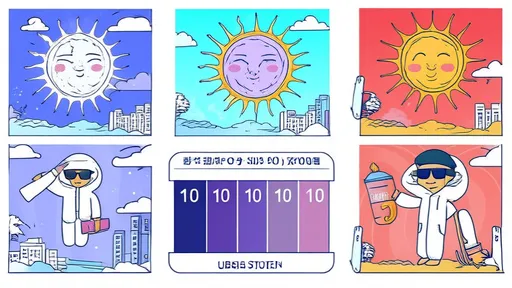
The UV index operates on a scale from 0 to 11+, with higher numbers indicating greater UV intensity and corresponding health risks. At the lower end of the spectrum, a UV index of 0-2 poses minimal danger, requiring only basic sun protection for those with particularly sensitive skin. However, as the numbers climb, so does the potential for harm. A reading of 3-5 suggests moderate risk, while 6-7 signifies high exposure levels that can burn fair skin in under 30 minutes. The very high category (8-10) and extreme levels (11+) demand rigorous protective strategies, as unprotected skin can burn in less than 15 minutes under these conditions.
Daily Protection Fundamentals
Regardless of the UV index reading, certain protective measures should become habitual for anyone spending time outdoors. Broad-spectrum sunscreen with an SPF of at least 30 forms the foundation of UV defense, requiring application 15-30 minutes before sun exposure and reapplication every two hours (or more frequently when swimming or sweating). Protective clothing, including long-sleeved shirts, pants, and wide-brimmed hats, offers physical barriers against UV penetration. Quality sunglasses that block 99-100% of UVA and UVB rays protect the delicate eye area from damage that can lead to cataracts and other vision problems.
Adapting Strategies to UV Intensity
When the UV index enters the moderate range (3-5), additional precautions become necessary. Seeking shade during peak sunlight hours (typically 10 a.m. to 4 p.m.) significantly reduces exposure. Those with fair skin or a history of skin cancer should be particularly vigilant during these conditions. In high UV conditions (6-7), protective measures should intensify. Outdoor workers and athletes need to schedule frequent breaks in shaded areas and consider UV-protective clothing with a high ultraviolet protection factor (UPF) rating.
Extreme UV Conditions
Very high (8-10) and extreme (11+) UV index readings demand the most comprehensive protective strategies. During these conditions, limiting outdoor activities during midday hours becomes crucial. If outdoor exposure is unavoidable, combining all available protective measures - sunscreen, protective clothing, hats, sunglasses, and shade - provides the best defense. Special attention should be paid to protecting children, whose skin is more vulnerable to UV damage. Many experts recommend keeping infants out of direct sunlight entirely when the UV index exceeds 8.
Environmental Factors Affecting UV Exposure
Several environmental elements can dramatically influence actual UV exposure despite what the index might suggest. Altitude plays a significant role, with UV intensity increasing approximately 10-12% for every 1,000 meters gained in elevation. Snow, sand, and water can reflect up to 80% of UV radiation, effectively doubling exposure in certain situations. Cloud cover presents a complex variable - while thick clouds block some UV radiation, thin or broken clouds can actually intensify UV exposure through a phenomenon called cloud enhancement. These factors underscore the importance of maintaining protection even when the UV index appears moderate.
Long-Term Health Considerations
Consistent adherence to UV protection strategies yields significant long-term health benefits. Regular use of sunscreen has been shown to reduce the incidence of both melanoma and non-melanoma skin cancers. Protection against UV radiation also slows visible signs of aging caused by sun exposure, including wrinkles, leathery texture, and uneven pigmentation. Perhaps most importantly, developing sun-safe habits in childhood establishes patterns that dramatically reduce lifetime UV exposure and associated health risks.
Special Populations and UV Protection
Certain groups require tailored approaches to UV protection. Individuals with photosensitivity conditions (such as lupus) or those taking photosensitizing medications need to exercise extreme caution regardless of the UV index reading. Outdoor workers face unique challenges in maintaining consistent protection throughout long shifts and may benefit from specialized UV-protective workwear. Older adults often have thinner skin more susceptible to UV damage, while younger individuals may need reminders to reapply sunscreen during extended outdoor activities.
Technological Aids for UV Protection
Modern technology offers numerous tools to help individuals stay informed about UV risks. Smartphone apps can provide real-time UV index readings and personalized recommendations based on skin type and location. Some wearable devices now track UV exposure throughout the day, alerting users when they approach dangerous exposure levels. UV-sensitive stickers and bracelets change color to indicate when sunscreen reapplication is needed, particularly helpful for parents managing children's sun exposure.
Global Variations in UV Risk
Geographic location dramatically affects UV exposure patterns. Tropical regions near the equator experience high UV levels year-round, while temperate zones see significant seasonal variation. The southern hemisphere generally receives more intense UV radiation due to Earth's elliptical orbit bringing it closer to the sun during southern summer. Travelers moving between climate zones often underestimate their UV exposure risk, making awareness of local conditions essential for proper protection.
Economic and Social Aspects of UV Protection
Access to quality sun protection products remains uneven across different socioeconomic groups. While expensive UPF-rated clothing offers excellent protection, basic measures like seeking shade and wearing ordinary tightly-woven fabrics provide substantial benefits at minimal cost. Public health initiatives in many countries focus on increasing access to affordable sunscreen and promoting sun-safe behaviors in schools and workplaces. These efforts recognize that effective UV protection need not be costly to be effective.
Future Directions in UV Protection
Research continues to improve our understanding of UV radiation's effects and develop more effective protection strategies. Innovations in sunscreen formulations aim to create products that last longer, feel more comfortable, and provide more complete protection. Scientists are exploring systemic approaches to UV protection, including oral supplements that may boost the skin's natural defenses. Climate change may alter global UV patterns, making continued monitoring and adaptation of protection strategies essential for public health.
The UV index provides a valuable framework for understanding and responding to solar radiation risks. By tailoring protective behaviors to specific UV index levels and environmental conditions, individuals can significantly reduce their risk of both immediate and long-term health consequences. Making sun protection a consistent habit, regardless of the season or weather conditions, represents one of the most effective preventive health measures available to the general public.
Pregnancy is a transformative journey that demands meticulous attention to nutritional needs. The concept of a dynamic nutritional demand spectrum during gestation has gained traction among researchers and healthcare providers alike. This approach recognizes that maternal requirements evolve dramatically across trimesters, influenced by fetal development stages and metabolic adaptations.
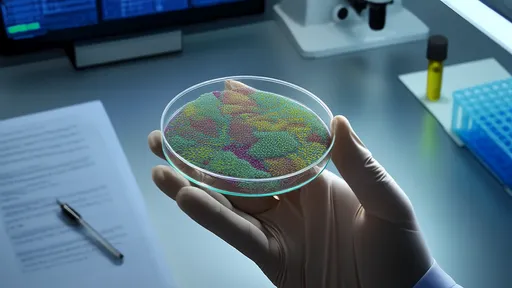
The human microbiome has emerged as one of the most fascinating frontiers in modern medical research. Comprising trillions of microorganisms inhabiting our bodies, these microbial communities play a pivotal role in health and disease. Microbial testing, which involves sequencing and analyzing these complex ecosystems, offers unprecedented insights into personalized medicine. However, interpreting microbiome data requires a nuanced understanding of both biological context and technological limitations.
The field of regenerative medicine has witnessed unprecedented breakthroughs in recent years, pushing the boundaries of what was once considered science fiction into tangible reality. Scientists and researchers across the globe are making strides in harnessing the body's innate ability to heal itself, offering hope for conditions previously deemed incurable. From stem cell therapies to tissue engineering, the advancements are not only redefining medical treatment but also challenging our understanding of human biology.
In the rapidly evolving landscape of modern healthcare, drug interaction alert systems have emerged as critical safeguards against potentially dangerous medication combinations. These sophisticated digital tools analyze prescription patterns in real-time, flagging possible adverse reactions before they reach patients. As polypharmacy becomes increasingly common—particularly among aging populations—the need for reliable interaction screening has never been greater.
The rapid advancement of genetic testing technologies has revolutionized modern medicine, offering unprecedented insights into human health and disease. However, as these tools become more accessible, the medical community faces growing challenges in defining their appropriate clinical applications. The boundary between what can be done and what should be done in genetic testing remains a subject of intense debate among researchers, clinicians, and ethicists.
The days leading up to surgery are often filled with anxiety about the procedure itself, but what many patients don't realize is that their nutritional status plays a pivotal role in determining outcomes. Surgical teams worldwide are increasingly recognizing that preoperative nutrition isn't just about fasting protocols - it's about strategically preparing the body for the metabolic stress of surgery. This paradigm shift has transformed how we approach the preoperative period, moving from simply clearing patients for surgery to actively optimizing their physiological resilience.
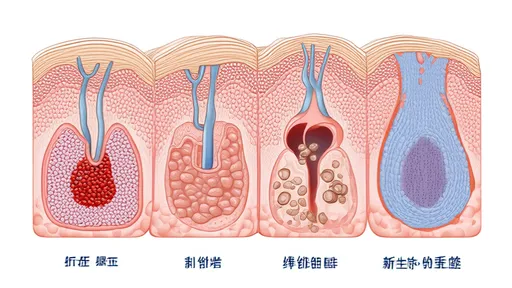
The process of wound healing is a complex and dynamic series of events that the body initiates in response to injury. Effective wound care requires an understanding of the distinct phases of healing, as each stage demands specific attention and intervention. From the moment a wound occurs, the body orchestrates a meticulous repair process, and healthcare providers must adapt their strategies to support optimal recovery. This article explores the nuanced approach to wound care across different healing stages, emphasizing practical clinical considerations.
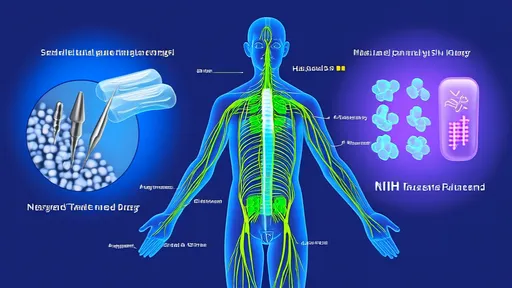
Pain is an inevitable part of the human experience, yet the way we manage it doesn’t always have to involve reaching for a pill bottle. Non-pharmacological pain management strategies are gaining traction as both patients and healthcare providers seek alternatives that address discomfort without the potential side effects or dependencies associated with medications. These approaches often focus on holistic healing, empowering individuals to take an active role in their own well-being.
The realm of medical imaging has revolutionized modern healthcare, offering clinicians a window into the human body without the need for invasive procedures. Among the most critical aspects of utilizing these technologies effectively is understanding the precise indications for each imaging modality. The concept of indication-based imaging ensures that patients receive the most appropriate test, balancing diagnostic accuracy with safety and cost-efficiency. This approach minimizes unnecessary exposure to radiation, reduces healthcare expenditures, and streamlines patient care pathways.
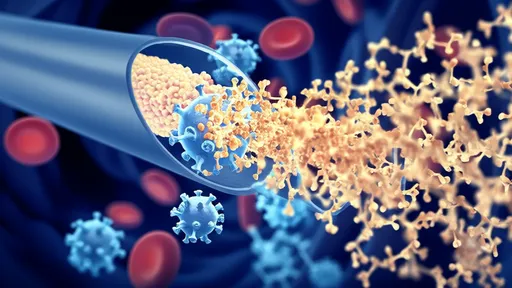
The science behind vaccination has never been more visible than in our current era, where animated explanations have become crucial tools for public understanding. These dynamic visualizations peel back the layers of immunological complexity to reveal how vaccines train our bodies to recognize and combat pathogens. Through colorful simulations and simplified molecular interactions, animation bridges the gap between laboratory research and mainstream comprehension.
The rise of antibiotic resistance is one of the most pressing public health challenges of our time. As bacteria evolve to withstand the drugs designed to kill them, infections that were once easily treatable are becoming increasingly difficult to manage. Understanding the mechanisms behind antibiotic resistance is crucial for developing strategies to combat this growing threat. The complexity of resistance development involves genetic mutations, horizontal gene transfer, and the selective pressure exerted by antibiotic overuse.
In today’s world, where consumers are increasingly conscious of health and environmental impacts, the safety of clothing materials has become a critical consideration. The fabrics we wear daily come into direct contact with our skin, making it essential to understand how different materials affect our well-being. From synthetic fibers to natural textiles, each type carries its own set of advantages and potential risks. Navigating this landscape requires a deeper look into the origins, manufacturing processes, and long-term effects of these materials.
In an era where urbanization and industrialization dominate, the air we breathe has become increasingly polluted with harmful toxins and chemicals. While advanced air purification systems exist, nature offers a simpler, more sustainable solution: green plants. Beyond their aesthetic appeal, plants possess remarkable air-purifying abilities that can significantly improve indoor air quality. This natural approach to detoxifying our living spaces is not only cost-effective but also aligns with the growing global emphasis on eco-friendly solutions.
The relationship between temperature, humidity, and respiratory health has long been a subject of scientific inquiry. As climate patterns shift and urban environments become more controlled, understanding how these factors interact is crucial for public health. The human respiratory system is remarkably sensitive to changes in its immediate atmosphere, reacting in ways that can either protect or compromise our well-being.
In today's digital age, screens have become an inseparable part of our daily lives. Whether for work, entertainment, or communication, we spend countless hours staring at monitors, smartphones, and tablets. However, prolonged screen exposure can lead to digital eye strain, fatigue, and even long-term vision problems. Optimizing screen settings for visual health is no longer a luxury—it’s a necessity.
For millions of allergy sufferers, home should be a sanctuary—yet common household allergens often turn living spaces into sources of constant discomfort. The key to reclaiming your space lies in strategic modifications that minimize exposure to triggers like dust mites, pet dander, mold, and pollen. While complete elimination is impossible, targeted changes to your home’s design, cleaning routines, and airflow can dramatically improve quality of life.
The hum of traffic outside your window, the distant wail of sirens, or even the occasional barking dog – environmental noise is an inescapable part of modern urban living. While we often adapt to these sounds during waking hours, their impact on sleep quality remains a significant public health concern. Scientists have long studied the threshold at which ambient noise begins to disrupt our slumber, revealing complex interactions between sound characteristics, individual sensitivity, and physiological responses.
The ultraviolet (UV) index serves as a crucial tool for understanding the intensity of UV radiation in a given location at a particular time. Developed by scientists and health organizations, this numerical scale helps individuals assess their risk of UV exposure and take appropriate protective measures. As UV radiation can cause significant harm to the skin, eyes, and immune system, understanding how to interpret and respond to different UV index levels is essential for maintaining long-term health.
In today's fast-paced world, where many of us spend hours seated at desks or lounging on sofas, the importance of ergonomic furniture cannot be overstated. The right furniture can make the difference between a productive, pain-free day and one plagued by discomfort and fatigue. Understanding how to select pieces that align with the principles of ergonomics is essential for both short-term comfort and long-term health.
The quest for clean drinking water has driven innovation in filtration technologies, each promising to deliver purity through distinct scientific approaches. From activated carbon to reverse osmosis, the choices available to consumers and industries reflect a complex interplay of chemistry, physics, and engineering. Understanding these methods requires peeling back layers of technical jargon to reveal their real-world efficacy, limitations, and suitability for different water quality challenges.