For millions of allergy sufferers, home should be a sanctuary—yet common household allergens often turn living spaces into sources of constant discomfort. The key to reclaiming your space lies in strategic modifications that minimize exposure to triggers like dust mites, pet dander, mold, and pollen. While complete elimination is impossible, targeted changes to your home’s design, cleaning routines, and airflow can dramatically improve quality of life.
The battle against allergens begins with understanding their hiding spots. Dust mites thrive in warm, humid environments like bedding and upholstered furniture. Pet dander clings to fabrics and settles in carpet fibers. Mold spores lurk in damp basements and bathrooms, while pollen hitchhikes indoors on clothing and through open windows. Each allergen demands a unique approach, but they share a common weakness: systematic environmental control.
Flooring choices play a pivotal role in allergen reduction. Wall-to-wall carpeting, despite its cozy appeal, functions as a giant allergen reservoir. Replacing carpets with hard-surface flooring like hardwood, tile, or vinyl eliminates nesting grounds for dust mites and makes cleaning more effective. For those reluctant to part entirely with soft textures, low-pile area rugs treated with allergen-resistant coatings offer a compromise—provided they’re washed weekly in hot water exceeding 130°F.
Your bed harbors an invisible ecosystem that directly impacts respiratory health. Encasing mattresses and pillows in zippered, microfiber allergen-proof covers creates an impermeable barrier against dust mites. Opt for washable hypoallergenic bedding and avoid heavy fabric drapes near sleeping areas. Some allergy specialists recommend washing sheets in eucalyptus oil, which studies suggest may kill dust mites at lower temperatures than conventional washing.
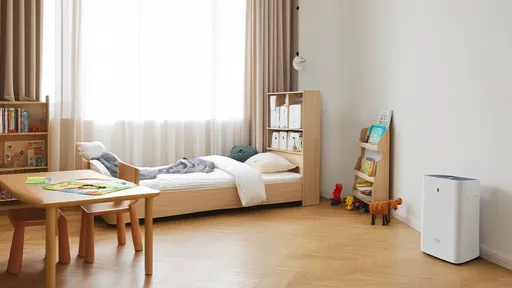
Air purification deserves careful consideration beyond simply buying a HEPA filter unit. The placement, maintenance, and type of purifier significantly affect performance. Whole-house systems integrated with HVAC offer comprehensive coverage, while portable units work best when strategically placed in bedrooms and living areas. Beware of ionic air purifiers that may generate ozone—a lung irritant that exacerbates respiratory issues. Regularly replacing filters according to manufacturer guidelines ensures peak efficiency.
Controlling humidity levels presents a double-edged sword. Dust mites perish when indoor humidity drops below 50%, but overly dry air irritates nasal passages. Smart hygrometers paired with dehumidifiers help maintain the sweet spot between 30-50% humidity. In naturally damp spaces like basements, a professional-grade dehumidifier with automatic drainage prevents mold growth without daily maintenance. Proper ventilation in kitchens and bathrooms—preferably with externally vented exhaust fans—reduces moisture where mold thrives.
Pet owners face particular challenges that require creative solutions. Designating pet-free zones, especially bedrooms, creates safe havens for allergy sufferers. Installing washable wall panels or chair-height wainscoting protects surfaces from dander accumulation. Some homeowners report success with dedicated pet washing stations near entrances to rinse off outdoor allergens. Surprisingly, frequent pet baths (2-3 times weekly) with plain water can reduce airborne dander more effectively than medicated shampoos used less frequently.
Window treatments and furnishings demand allergen-conscious selection. Replace heavy drapes with washable roller shades or shutters that don’t trap dust. Choose leather or vinyl furniture over fabric upholstery, or use tightly woven, removable slipcovers. When purchasing new furniture, look for certifications indicating antimicrobial treatments and low volatile organic compound (VOC) emissions—chemical irritants can compound allergy symptoms.
The cleaning process itself can stir up allergens if done improperly. Vacuum cleaners with HEPA filters and sealed systems prevent particle recirculation. For severe allergies, consider a central vacuum system that exhausts outdoors. Microfiber cloths trap dust more effectively than feather dusters or dry rags. Steam cleaners penetrate surfaces to kill dust mites and mold without chemicals, though they require proper drying afterward to prevent moisture issues.
Seasonal allergens require adaptive strategies. During high pollen counts, use the "airlock" method: remove shoes and outerwear in a mudroom or entryway before proceeding further into the house. Some families install small HEPA air purifiers in closets where pollen-laden jackets are stored. After outdoor activities, showering and washing hair before bedtime prevents pollen from contaminating bedding.
Long-term solutions involve examining the home’s structural elements. Replacing fiberglass insulation with spray foam reduces dust accumulation in wall cavities. Double-paned windows not only improve energy efficiency but also create better barriers against outdoor allergens. In extreme cases, some allergy sufferers find relief by converting forced-air heating systems to radiant floor heating, eliminating ductwork where allergens circulate.
Behavioral adjustments complement physical modifications. Establishing a "no shoes indoors" policy reduces outdoor allergen tracking. Storing collectibles and books behind glass doors minimizes dust traps. Even something as simple as changing clothes after work can prevent office allergens from dispersing through your living space. These habits, when consistently maintained, compound the benefits of physical home modifications.
Children’s rooms require special attention, as developing immune systems are particularly sensitive. Washable stuffed animals that survive frequent hot water washing make better companions than traditional plush toys. Metal or plastic storage bins contain allergens better than woven baskets. Some parents install wall-mounted fold-down desks to eliminate dust-collecting furniture in small spaces.
While the prospect of comprehensive home modification may seem daunting, incremental changes yield measurable improvements. Start with the bedroom—where we spend a third of our lives—then address other high-traffic areas. Many interventions prove cost-effective when considering reduced medication use and improved productivity. For those uncertain where to begin, professional indoor air quality assessments can identify priority areas specific to your home’s architecture and regional allergen profiles.
The psychological impact of an allergen-controlled home shouldn’t be underestimated. Waking up without congestion, breathing freely in one’s own living room, hosting guests without embarrassment about pet allergies—these small victories transform not just physical health but overall wellbeing. Your home becomes not just a shelter, but a true haven.
Pregnancy is a transformative journey that demands meticulous attention to nutritional needs. The concept of a dynamic nutritional demand spectrum during gestation has gained traction among researchers and healthcare providers alike. This approach recognizes that maternal requirements evolve dramatically across trimesters, influenced by fetal development stages and metabolic adaptations.
The human microbiome has emerged as one of the most fascinating frontiers in modern medical research. Comprising trillions of microorganisms inhabiting our bodies, these microbial communities play a pivotal role in health and disease. Microbial testing, which involves sequencing and analyzing these complex ecosystems, offers unprecedented insights into personalized medicine. However, interpreting microbiome data requires a nuanced understanding of both biological context and technological limitations.
The field of regenerative medicine has witnessed unprecedented breakthroughs in recent years, pushing the boundaries of what was once considered science fiction into tangible reality. Scientists and researchers across the globe are making strides in harnessing the body's innate ability to heal itself, offering hope for conditions previously deemed incurable. From stem cell therapies to tissue engineering, the advancements are not only redefining medical treatment but also challenging our understanding of human biology.
In the rapidly evolving landscape of modern healthcare, drug interaction alert systems have emerged as critical safeguards against potentially dangerous medication combinations. These sophisticated digital tools analyze prescription patterns in real-time, flagging possible adverse reactions before they reach patients. As polypharmacy becomes increasingly common—particularly among aging populations—the need for reliable interaction screening has never been greater.
The rapid advancement of genetic testing technologies has revolutionized modern medicine, offering unprecedented insights into human health and disease. However, as these tools become more accessible, the medical community faces growing challenges in defining their appropriate clinical applications. The boundary between what can be done and what should be done in genetic testing remains a subject of intense debate among researchers, clinicians, and ethicists.
The days leading up to surgery are often filled with anxiety about the procedure itself, but what many patients don't realize is that their nutritional status plays a pivotal role in determining outcomes. Surgical teams worldwide are increasingly recognizing that preoperative nutrition isn't just about fasting protocols - it's about strategically preparing the body for the metabolic stress of surgery. This paradigm shift has transformed how we approach the preoperative period, moving from simply clearing patients for surgery to actively optimizing their physiological resilience.
The process of wound healing is a complex and dynamic series of events that the body initiates in response to injury. Effective wound care requires an understanding of the distinct phases of healing, as each stage demands specific attention and intervention. From the moment a wound occurs, the body orchestrates a meticulous repair process, and healthcare providers must adapt their strategies to support optimal recovery. This article explores the nuanced approach to wound care across different healing stages, emphasizing practical clinical considerations.
Pain is an inevitable part of the human experience, yet the way we manage it doesn’t always have to involve reaching for a pill bottle. Non-pharmacological pain management strategies are gaining traction as both patients and healthcare providers seek alternatives that address discomfort without the potential side effects or dependencies associated with medications. These approaches often focus on holistic healing, empowering individuals to take an active role in their own well-being.
The realm of medical imaging has revolutionized modern healthcare, offering clinicians a window into the human body without the need for invasive procedures. Among the most critical aspects of utilizing these technologies effectively is understanding the precise indications for each imaging modality. The concept of indication-based imaging ensures that patients receive the most appropriate test, balancing diagnostic accuracy with safety and cost-efficiency. This approach minimizes unnecessary exposure to radiation, reduces healthcare expenditures, and streamlines patient care pathways.
The science behind vaccination has never been more visible than in our current era, where animated explanations have become crucial tools for public understanding. These dynamic visualizations peel back the layers of immunological complexity to reveal how vaccines train our bodies to recognize and combat pathogens. Through colorful simulations and simplified molecular interactions, animation bridges the gap between laboratory research and mainstream comprehension.
The rise of antibiotic resistance is one of the most pressing public health challenges of our time. As bacteria evolve to withstand the drugs designed to kill them, infections that were once easily treatable are becoming increasingly difficult to manage. Understanding the mechanisms behind antibiotic resistance is crucial for developing strategies to combat this growing threat. The complexity of resistance development involves genetic mutations, horizontal gene transfer, and the selective pressure exerted by antibiotic overuse.
In today’s world, where consumers are increasingly conscious of health and environmental impacts, the safety of clothing materials has become a critical consideration. The fabrics we wear daily come into direct contact with our skin, making it essential to understand how different materials affect our well-being. From synthetic fibers to natural textiles, each type carries its own set of advantages and potential risks. Navigating this landscape requires a deeper look into the origins, manufacturing processes, and long-term effects of these materials.
In an era where urbanization and industrialization dominate, the air we breathe has become increasingly polluted with harmful toxins and chemicals. While advanced air purification systems exist, nature offers a simpler, more sustainable solution: green plants. Beyond their aesthetic appeal, plants possess remarkable air-purifying abilities that can significantly improve indoor air quality. This natural approach to detoxifying our living spaces is not only cost-effective but also aligns with the growing global emphasis on eco-friendly solutions.
The relationship between temperature, humidity, and respiratory health has long been a subject of scientific inquiry. As climate patterns shift and urban environments become more controlled, understanding how these factors interact is crucial for public health. The human respiratory system is remarkably sensitive to changes in its immediate atmosphere, reacting in ways that can either protect or compromise our well-being.
In today's digital age, screens have become an inseparable part of our daily lives. Whether for work, entertainment, or communication, we spend countless hours staring at monitors, smartphones, and tablets. However, prolonged screen exposure can lead to digital eye strain, fatigue, and even long-term vision problems. Optimizing screen settings for visual health is no longer a luxury—it’s a necessity.
For millions of allergy sufferers, home should be a sanctuary—yet common household allergens often turn living spaces into sources of constant discomfort. The key to reclaiming your space lies in strategic modifications that minimize exposure to triggers like dust mites, pet dander, mold, and pollen. While complete elimination is impossible, targeted changes to your home’s design, cleaning routines, and airflow can dramatically improve quality of life.
The hum of traffic outside your window, the distant wail of sirens, or even the occasional barking dog – environmental noise is an inescapable part of modern urban living. While we often adapt to these sounds during waking hours, their impact on sleep quality remains a significant public health concern. Scientists have long studied the threshold at which ambient noise begins to disrupt our slumber, revealing complex interactions between sound characteristics, individual sensitivity, and physiological responses.
The ultraviolet (UV) index serves as a crucial tool for understanding the intensity of UV radiation in a given location at a particular time. Developed by scientists and health organizations, this numerical scale helps individuals assess their risk of UV exposure and take appropriate protective measures. As UV radiation can cause significant harm to the skin, eyes, and immune system, understanding how to interpret and respond to different UV index levels is essential for maintaining long-term health.
In today's fast-paced world, where many of us spend hours seated at desks or lounging on sofas, the importance of ergonomic furniture cannot be overstated. The right furniture can make the difference between a productive, pain-free day and one plagued by discomfort and fatigue. Understanding how to select pieces that align with the principles of ergonomics is essential for both short-term comfort and long-term health.
The quest for clean drinking water has driven innovation in filtration technologies, each promising to deliver purity through distinct scientific approaches. From activated carbon to reverse osmosis, the choices available to consumers and industries reflect a complex interplay of chemistry, physics, and engineering. Understanding these methods requires peeling back layers of technical jargon to reveal their real-world efficacy, limitations, and suitability for different water quality challenges.