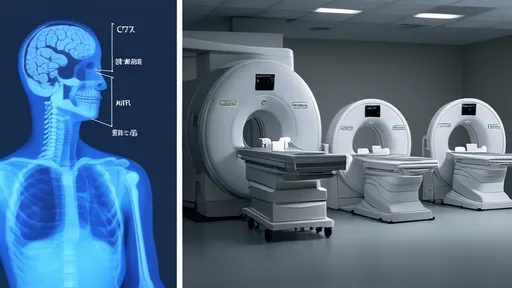
The realm of medical imaging has revolutionized modern healthcare, offering clinicians a window into the human body without the need for invasive procedures. Among the most critical aspects of utilizing these technologies effectively is understanding the precise indications for each imaging modality. The concept of indication-based imaging ensures that patients receive the most appropriate test, balancing diagnostic accuracy with safety and cost-efficiency. This approach minimizes unnecessary exposure to radiation, reduces healthcare expenditures, and streamlines patient care pathways.
Medical imaging encompasses a broad spectrum of technologies, each with unique strengths and limitations. X-rays, for instance, remain the first-line investigation for bone fractures and chest pathologies due to their accessibility and rapid results. However, their limited soft tissue contrast makes them less suitable for evaluating complex internal organ abnormalities. In such cases, computed tomography (CT) or magnetic resonance imaging (MRI) may be warranted. The decision to escalate imaging must always be guided by clinical suspicion, patient history, and preliminary findings—a principle that underscores the importance of indication-appropriate imaging protocols.
The evolution of imaging guidelines has been largely driven by professional societies seeking to standardize best practices. For neurological symptoms such as persistent headaches with focal deficits, MRI emerges as the gold standard for detecting subtle parenchymal changes, whereas CT serves better in acute trauma settings where speed is paramount. Similarly, in abdominal imaging, the choice between ultrasound, CT, or MRI depends on multiple factors including the suspected pathology, patient body habitus, and the need for dynamic contrast studies. These nuanced decisions highlight how indication-specific imaging requires both broad knowledge and clinical acumen.
Cardiovascular imaging presents another compelling example of indication-based selection. While echocardiography remains the cornerstone for assessing cardiac structure and function, coronary CT angiography has gained prominence for evaluating stable coronary artery disease in low-to-intermediate risk patients. Nuclear imaging techniques like PET or SPECT, though more specialized, play pivotal roles in myocardial viability assessments. Such stratification ensures that patients benefit from tailored diagnostic approaches rather than a one-size-fits-all methodology. The increasing availability of advanced modalities makes adherence to appropriate use criteria even more vital to prevent overutilization.
Oncologic imaging further demonstrates the critical relationship between indications and modality selection. Screening mammography has well-established guidelines based on age and risk factors, while diagnostic mammograms coupled with ultrasound or MRI are reserved for evaluating abnormalities detected during screening. Whole-body PET-CT has transformed cancer staging but is explicitly indicated only for specific malignancies where metabolic activity significantly impacts management decisions. This precision-oriented approach prevents unnecessary radiation exposure while maximizing diagnostic yield—a balance that epitomizes modern radiological practice.
Pediatric imaging warrants special consideration due to heightened radiation sensitivity in developing tissues. The ALARA principle (As Low As Reasonably Achievable) governs pediatric radiology, favoring ultrasound or MRI whenever possible. For instance, ultrasound serves as the primary modality for suspected pyloric stenosis or intussusception, while MRI avoids ionizing radiation in evaluating childhood neurological disorders. These age-specific indications reflect the nuanced application of imaging technologies across different patient populations.
Emerging technologies continue to reshape indication paradigms. Functional MRI and diffusion tensor imaging have expanded neurological indications beyond structural assessment to include preoperative brain mapping and white matter tract evaluation. Similarly, spectral CT with its material decomposition capabilities offers new possibilities for characterizing tissue composition without additional contrast administration. As these innovations mature, ongoing guideline updates will be essential to ensure their judicious application based on evolving clinical evidence.
The economic implications of indication-appropriate imaging cannot be overlooked. Inappropriate imaging not only strains healthcare budgets but may also lead to incidental findings requiring unnecessary follow-up—a phenomenon termed "the cascade effect." Conversely, delayed or insufficient imaging for legitimate indications may result in missed diagnoses and poorer outcomes. This dichotomy underscores why evidence-based imaging pathways must be integrated into clinical decision support systems, empowering providers to make optimal choices at the point of care.
Ultimately, the art of medical imaging lies not in the technology itself but in its thoughtful application. From triaging emergency cases to monitoring chronic conditions, each imaging decision should stem from a careful synthesis of clinical presentation, pretest probability, and modality-specific capabilities. As healthcare moves toward value-based models, the emphasis on indication-concordant imaging will only intensify—a trend that benefits patients, providers, and healthcare systems alike through smarter resource allocation and improved diagnostic precision.
Pregnancy is a transformative journey that demands meticulous attention to nutritional needs. The concept of a dynamic nutritional demand spectrum during gestation has gained traction among researchers and healthcare providers alike. This approach recognizes that maternal requirements evolve dramatically across trimesters, influenced by fetal development stages and metabolic adaptations.
The human microbiome has emerged as one of the most fascinating frontiers in modern medical research. Comprising trillions of microorganisms inhabiting our bodies, these microbial communities play a pivotal role in health and disease. Microbial testing, which involves sequencing and analyzing these complex ecosystems, offers unprecedented insights into personalized medicine. However, interpreting microbiome data requires a nuanced understanding of both biological context and technological limitations.
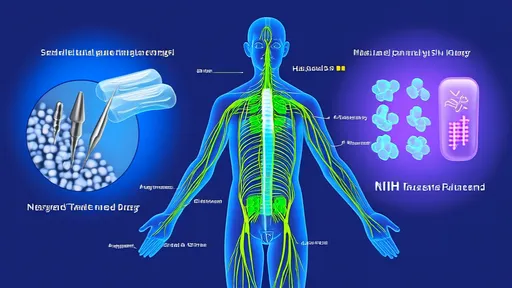
The field of regenerative medicine has witnessed unprecedented breakthroughs in recent years, pushing the boundaries of what was once considered science fiction into tangible reality. Scientists and researchers across the globe are making strides in harnessing the body's innate ability to heal itself, offering hope for conditions previously deemed incurable. From stem cell therapies to tissue engineering, the advancements are not only redefining medical treatment but also challenging our understanding of human biology.
In the rapidly evolving landscape of modern healthcare, drug interaction alert systems have emerged as critical safeguards against potentially dangerous medication combinations. These sophisticated digital tools analyze prescription patterns in real-time, flagging possible adverse reactions before they reach patients. As polypharmacy becomes increasingly common—particularly among aging populations—the need for reliable interaction screening has never been greater.
The rapid advancement of genetic testing technologies has revolutionized modern medicine, offering unprecedented insights into human health and disease. However, as these tools become more accessible, the medical community faces growing challenges in defining their appropriate clinical applications. The boundary between what can be done and what should be done in genetic testing remains a subject of intense debate among researchers, clinicians, and ethicists.
The days leading up to surgery are often filled with anxiety about the procedure itself, but what many patients don't realize is that their nutritional status plays a pivotal role in determining outcomes. Surgical teams worldwide are increasingly recognizing that preoperative nutrition isn't just about fasting protocols - it's about strategically preparing the body for the metabolic stress of surgery. This paradigm shift has transformed how we approach the preoperative period, moving from simply clearing patients for surgery to actively optimizing their physiological resilience.
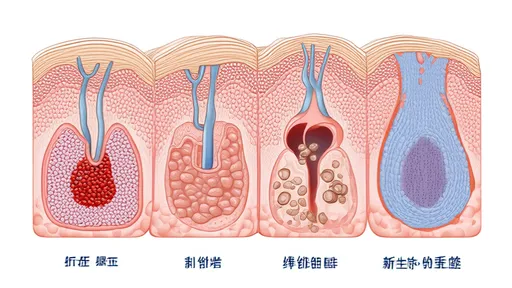
The process of wound healing is a complex and dynamic series of events that the body initiates in response to injury. Effective wound care requires an understanding of the distinct phases of healing, as each stage demands specific attention and intervention. From the moment a wound occurs, the body orchestrates a meticulous repair process, and healthcare providers must adapt their strategies to support optimal recovery. This article explores the nuanced approach to wound care across different healing stages, emphasizing practical clinical considerations.
Pain is an inevitable part of the human experience, yet the way we manage it doesn’t always have to involve reaching for a pill bottle. Non-pharmacological pain management strategies are gaining traction as both patients and healthcare providers seek alternatives that address discomfort without the potential side effects or dependencies associated with medications. These approaches often focus on holistic healing, empowering individuals to take an active role in their own well-being.
The realm of medical imaging has revolutionized modern healthcare, offering clinicians a window into the human body without the need for invasive procedures. Among the most critical aspects of utilizing these technologies effectively is understanding the precise indications for each imaging modality. The concept of indication-based imaging ensures that patients receive the most appropriate test, balancing diagnostic accuracy with safety and cost-efficiency. This approach minimizes unnecessary exposure to radiation, reduces healthcare expenditures, and streamlines patient care pathways.
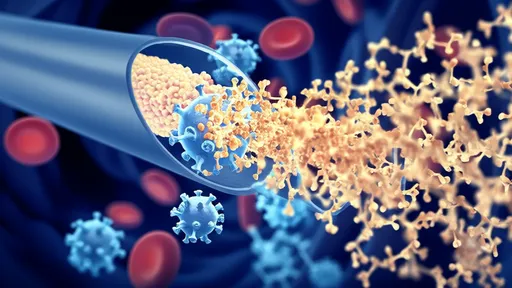
The science behind vaccination has never been more visible than in our current era, where animated explanations have become crucial tools for public understanding. These dynamic visualizations peel back the layers of immunological complexity to reveal how vaccines train our bodies to recognize and combat pathogens. Through colorful simulations and simplified molecular interactions, animation bridges the gap between laboratory research and mainstream comprehension.
The rise of antibiotic resistance is one of the most pressing public health challenges of our time. As bacteria evolve to withstand the drugs designed to kill them, infections that were once easily treatable are becoming increasingly difficult to manage. Understanding the mechanisms behind antibiotic resistance is crucial for developing strategies to combat this growing threat. The complexity of resistance development involves genetic mutations, horizontal gene transfer, and the selective pressure exerted by antibiotic overuse.
In today’s world, where consumers are increasingly conscious of health and environmental impacts, the safety of clothing materials has become a critical consideration. The fabrics we wear daily come into direct contact with our skin, making it essential to understand how different materials affect our well-being. From synthetic fibers to natural textiles, each type carries its own set of advantages and potential risks. Navigating this landscape requires a deeper look into the origins, manufacturing processes, and long-term effects of these materials.
In an era where urbanization and industrialization dominate, the air we breathe has become increasingly polluted with harmful toxins and chemicals. While advanced air purification systems exist, nature offers a simpler, more sustainable solution: green plants. Beyond their aesthetic appeal, plants possess remarkable air-purifying abilities that can significantly improve indoor air quality. This natural approach to detoxifying our living spaces is not only cost-effective but also aligns with the growing global emphasis on eco-friendly solutions.
The relationship between temperature, humidity, and respiratory health has long been a subject of scientific inquiry. As climate patterns shift and urban environments become more controlled, understanding how these factors interact is crucial for public health. The human respiratory system is remarkably sensitive to changes in its immediate atmosphere, reacting in ways that can either protect or compromise our well-being.
In today's digital age, screens have become an inseparable part of our daily lives. Whether for work, entertainment, or communication, we spend countless hours staring at monitors, smartphones, and tablets. However, prolonged screen exposure can lead to digital eye strain, fatigue, and even long-term vision problems. Optimizing screen settings for visual health is no longer a luxury—it’s a necessity.
For millions of allergy sufferers, home should be a sanctuary—yet common household allergens often turn living spaces into sources of constant discomfort. The key to reclaiming your space lies in strategic modifications that minimize exposure to triggers like dust mites, pet dander, mold, and pollen. While complete elimination is impossible, targeted changes to your home’s design, cleaning routines, and airflow can dramatically improve quality of life.
The hum of traffic outside your window, the distant wail of sirens, or even the occasional barking dog – environmental noise is an inescapable part of modern urban living. While we often adapt to these sounds during waking hours, their impact on sleep quality remains a significant public health concern. Scientists have long studied the threshold at which ambient noise begins to disrupt our slumber, revealing complex interactions between sound characteristics, individual sensitivity, and physiological responses.
The ultraviolet (UV) index serves as a crucial tool for understanding the intensity of UV radiation in a given location at a particular time. Developed by scientists and health organizations, this numerical scale helps individuals assess their risk of UV exposure and take appropriate protective measures. As UV radiation can cause significant harm to the skin, eyes, and immune system, understanding how to interpret and respond to different UV index levels is essential for maintaining long-term health.
In today's fast-paced world, where many of us spend hours seated at desks or lounging on sofas, the importance of ergonomic furniture cannot be overstated. The right furniture can make the difference between a productive, pain-free day and one plagued by discomfort and fatigue. Understanding how to select pieces that align with the principles of ergonomics is essential for both short-term comfort and long-term health.
The quest for clean drinking water has driven innovation in filtration technologies, each promising to deliver purity through distinct scientific approaches. From activated carbon to reverse osmosis, the choices available to consumers and industries reflect a complex interplay of chemistry, physics, and engineering. Understanding these methods requires peeling back layers of technical jargon to reveal their real-world efficacy, limitations, and suitability for different water quality challenges.