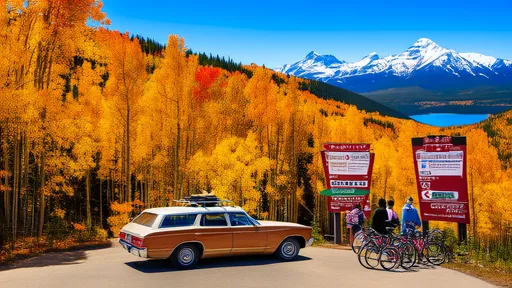
As autumn paints Canada in fiery hues, the annual spectacle of maple leaves transforming into crimson carpets draws travelers from across the globe. This year’s Maple Leaf Frontier promises an extraordinary display, with forestry experts predicting peak colors arriving earlier in eastern provinces due to an unusually dry summer. The phenomenon isn’t merely visual poetry—it’s a carefully orchestrated biochemical process where diminishing daylight triggers leaves to reveal hidden pigments normally masked by chlorophyll.
What sets Canada’s foliage apart is the staggering diversity of its arboreal performers. Beyond the iconic sugar maples, visitors encounter the golden trembling aspens of Alberta, the burnt-orange oak groves in Ontario’s Algonquin Park, and the scarlet sumacs lining Nova Scotia’s coastal highways. Each species follows its own chromatic timetable, creating rolling waves of color that migrate across provinces from mid-September through late October. Microclimates play fascinating tricks—a single valley might shelter maples at peak vibrancy while higher elevations show just the first blush of color.
The newly launched Live Leaf Map, a collaborative effort between Parks Canada and university forestry departments, uses satellite imagery and ground reports to provide daily updates on foliage progression. Unlike static prediction calendars, this dynamic tool accounts for sudden weather changes—a single frosty night can accelerate color changes dramatically. Road trippers are using it to orchestrate journeys that coincide with peak colors in multiple regions, essentially chasing autumn across time zones.
For those craving the ultimate windshield safari, the Trans-Canada Foliage Corridor offers an epic 3,000-kilometer route connecting seven prime viewing provinces. The eastern leg through Quebec’s Laurentians becomes a tunnel of fire when maples reach their crescendo, while the prairie segments feature startling contrasts between yellow birch stands and evergreen spruce. Local guides recommend detouring onto the Cabot Trail when Nova Scotia’s hardwoods ignite, where ocean vistas frame the colorful slopes in ways that defy photography.
Unexpected gems emerge when one ventures beyond the classic routes. New Brunswick’s Fundy Coastal Drive reveals foliage cascading down to the world’s highest tides, creating surreal reflections during dawn’s golden hour. Manitoba’s Whiteshell Provincial Park offers a different palette entirely, where tamarack trees—unusual conifers that shed needles—turn entire bogs into shimmering gold puddles before winter. Even urban centers join the spectacle; Montreal’s Mount Royal transforms into a stained-glass window of color visible from downtown skyscrapers.
Timing these adventures requires understanding nature’s subtle cues. While southern Ontario peaks around Thanksgiving weekend, the same latitude in British Columbia may still be green due to Pacific moisture. Savvy travelers monitor temperature differentials between daytime highs and nighttime lows—when the spread exceeds 10°C consistently, the chemical processes intensify. This year’s drought conditions have some experts concerned about early leaf drop, making the window for perfect viewing potentially shorter but more intense in affected areas.
Beyond the visual feast, autumn’s arrival sparks cultural celebrations across maple country. Quebec’s Festival des Couleurs features maple syrup tastings amid the very trees that produce the amber nectar, while Ontario’s pumpkin festivals erupt against backdrops of orange-hued forests. For indigenous communities, the changing leaves signal traditional harvest times, with many First Nations offering cultural tours that interpret the landscape through ancestral knowledge systems often overlooked in mainstream tourism.
The practicalities of leaf-peeping pilgrimages have evolved in recent seasons. Popular viewpoints now implement timed entry systems to prevent overcrowding, and electric vehicle charging stations have proliferated along key routes. Anecdotal reports suggest sunrise viewings at iconic spots like Peggy’s Cove now draw larger crowds than sunset, as photographers seek the magical hour when dew-laden leaves glow from within. Rural inns have adapted by offering ”foliage guarantee” bookings—if colors peak earlier than expected, guests receive free itinerary adjustments.
Climate scientists note disturbing trends beneath the beauty—rising temperatures are delaying color changes in some regions while intensifying them in others. The iconic sugar maples face particular threats from invasive pests and shifting hardiness zones. This lends urgency to conservation efforts protecting these living kaleidoscopes for future generations. For now, the maple curtain rises on schedule, inviting travelers to witness one of nature’s greatest performance arts before winter’s intermission.
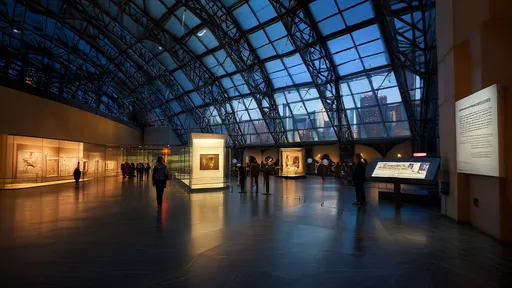
The concept of late-night museum hours isn’t new, but New York City has perfected it. Among the various cultural offerings that make the city pulse after dark, the Thursday extended hours at several major museums stand out as a unique blend of sophistication and accessibility. These extended openings provide an opportunity for both locals and visitors to experience world-class art, history, and science in a more intimate setting, away from the usual daytime crowds.
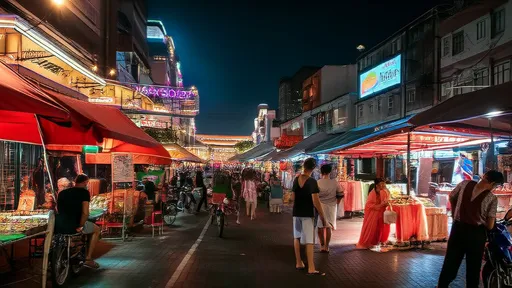
Bangkok’s night markets are legendary, offering everything from sizzling street food to quirky souvenirs. Among the most famous are Train Night Market Ratchada (Talad Rot Fai Ratchada) and Srinakarin Train Night Market (Talad Rot Fai Srinakarin). Both draw crowds of locals and tourists, but they cater to slightly different vibes and experiences. Deciding which one to visit depends on what you’re looking for—whether it’s convenience, variety, or a more nostalgic atmosphere.
Nestled in the heart of Paris, the Marais district is a treasure trove for fashion enthusiasts seeking something beyond the mainstream. Its cobblestone streets and historic architecture house an array of independent designer boutiques, each offering a unique perspective on style. Unlike the crowded department stores and luxury flagships, these hidden gems provide an intimate shopping experience where creativity and craftsmanship take center stage.
In the quiet corners of Tokyo’s shitamachi (downtown) district, time seems to move at a gentler pace. The neighborhoods of Yanaka, Nezu, and Sendagi—collectively known as "Yanesen"—offer a nostalgic escape from the city’s relentless modernity. Here, narrow lanes wind past wooden houses, tiny shrines, and family-run shops that have stood for generations. But what truly sets Yanesen apart is its unofficial mascot: the neighborhood cat. These feline residents have become so beloved that they’ve inspired their own walking trail—the Yanesen Cat Map—a whimsical guide to discovering the area’s charm through the eyes of its four-legged inhabitants.
The rainy season in Okinawa, typically stretching from early May to mid-June, transforms the tropical paradise into a misty wonderland. While the downpours might disrupt beach plans, this period unveils a different side of the islands - one best experienced through their vibrant indoor attractions. From immersive cultural experiences to cutting-edge entertainment venues, Okinawa offers countless ways to enjoy yourself without getting drenched.
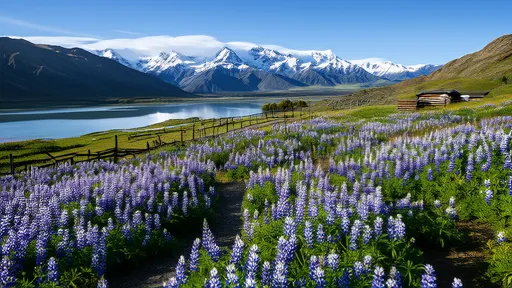
The South Island of New Zealand transforms into a breathtaking canvas of purple every November, as the vibrant lupin flowers bloom across its landscapes. These wildflowers, though not native to the region, have become an iconic symbol of the Kiwi summer, drawing photographers, travelers, and nature enthusiasts from around the world. The sight of endless stretches of lupins framing glacial lakes, rivers, and mountain backdrops is nothing short of magical.
As autumn paints Canada in fiery hues, the annual spectacle of maple leaves transforming into crimson carpets draws travelers from across the globe. This year’s Maple Leaf Frontier promises an extraordinary display, with forestry experts predicting peak colors arriving earlier in eastern provinces due to an unusually dry summer. The phenomenon isn’t merely visual poetry—it’s a carefully orchestrated biochemical process where diminishing daylight triggers leaves to reveal hidden pigments normally masked by chlorophyll.
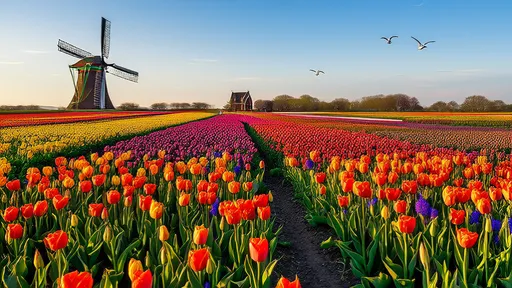
The Netherlands transforms into a vibrant canvas of colors each spring as millions of tulips burst into bloom, creating one of nature’s most spectacular displays. At the heart of this floral extravaganza lies the Keukenhof Gardens, a world-renowned destination that draws flower enthusiasts from across the globe. Timing your visit to coincide with the peak blooming period is crucial to experiencing the garden’s full splendor. Understanding the tulip cycle and its annual variations can help you plan the perfect trip to this floral paradise.
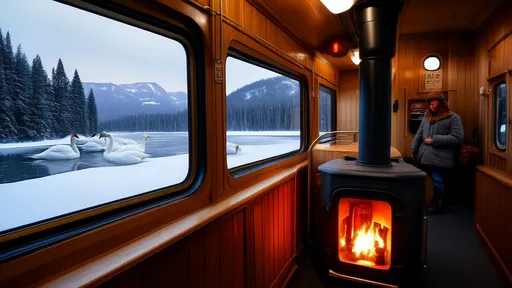
As winter blankets Hokkaido in a pristine layer of snow, a unique adventure awaits those who seek both warmth and wonder. The iconic Stove Train, or "Dairo" as locals affectionately call it, chugs through the frosty landscapes, offering passengers a nostalgic ride back in time. Meanwhile, the serene Swan Lake (Kussharo-ko) transforms into a haven for graceful whooper swans migrating from Siberia. Together, they form an unforgettable day trip that captures the essence of Hokkaido's winter magic.
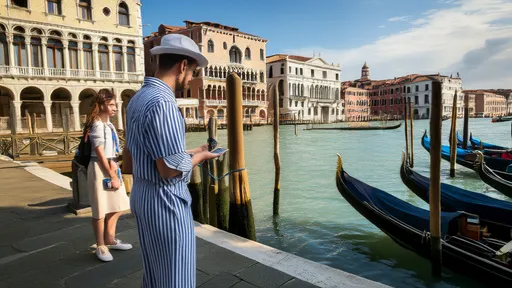
Venice, the floating city of canals, offers countless enchanting experiences, and a gondola ride is undoubtedly one of the most iconic. Yet, for many visitors, the dreamy excursion can quickly turn sour if they fall prey to tourist traps. Knowing how to identify authentic gondola stations and negotiate a fair price is essential to ensure a memorable—and not regrettable—experience.
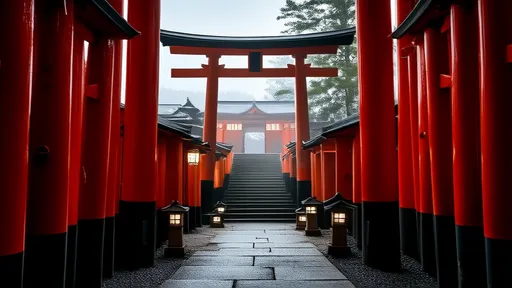
The vermilion torii gates of Fushimi Inari Taisha wind like a ribbon through the forested mountainside, creating one of Kyoto's most iconic and photographed scenes. Yet for visitors hoping to capture the magic of these thousands of gates without hordes of tourists in their shots, timing and strategy become as important as camera settings.
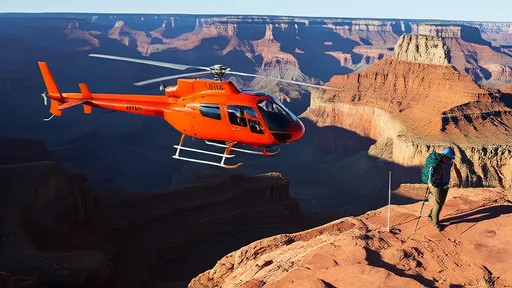
The Grand Canyon stands as one of Earth's most awe-inspiring natural wonders, drawing millions of visitors each year who seek to experience its vast beauty. For travelers planning their adventure, the choice between exploring by helicopter or on foot presents two fundamentally different ways to engage with this geological masterpiece - each offering unique perspectives and requiring different levels of physical and financial commitment.
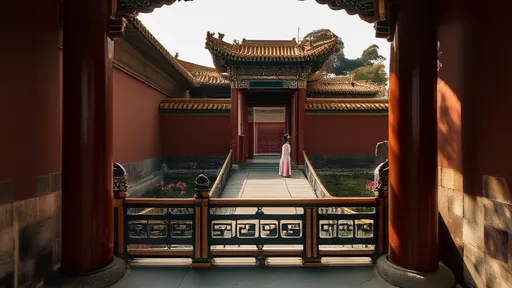
The Forbidden City stands as one of Beijing's most magnificent landmarks, drawing millions of visitors each year who come to marvel at its imperial grandeur. Yet few realize that beyond the well-trodden central axis lies a secret network of pathways that offer tranquil alternatives to the bustling main thoroughfares. These hidden routes not only provide respite from the crowds but reveal intimate architectural details and forgotten corners of the palace complex that most tourists never see.
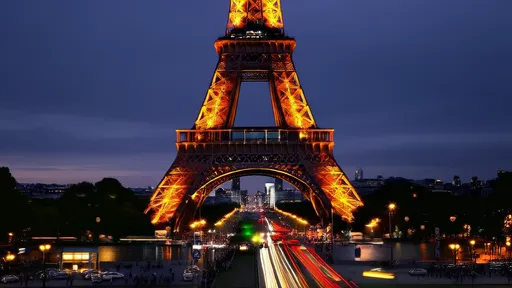
The Eiffel Tower at night is one of the most photographed landmarks in the world, yet capturing its magic in a fresh and unique way remains a challenge for many photographers. While the classic shots from Trocadéro or Champ de Mars are undeniably beautiful, there’s something thrilling about discovering lesser-known vantage points that offer a new perspective on this iconic structure. Combined with the art of long exposure, these hidden gems can transform your nighttime shots into breathtaking works of art.
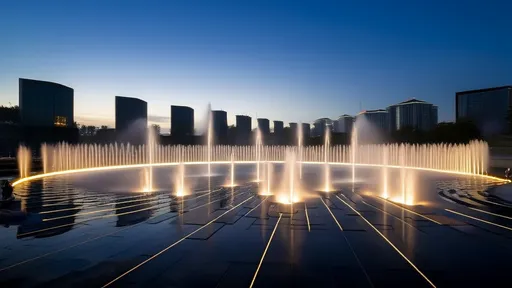
The ancient city square buzzed with anticipation as the first notes of a traditional folk song floated through the air. What happened next seemed to defy both physics and imagination - jets of water began rising from the previously dry plaza, dancing in perfect synchrony with the melody. This wasn't magic but an extraordinary fusion of cultural heritage and cutting-edge technology: the world's first sound-controlled fountain array activated entirely by folk music.
The gallery walls hummed with a peculiar energy as visitors stepped onto the pressure-sensitive platform, their every footfall triggering cascades of light that painted topographic wonders across the darkened space. This was "Cartography of Weight" - an immersive installation where human movement became the brushstroke for ephemeral landscapes.
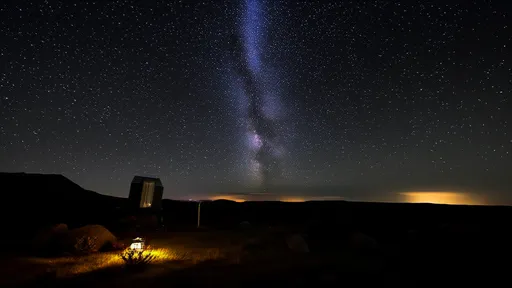
As urban sprawl continues to swallow the night sky with artificial light, a quiet revolution is taking shape across the globe. Dark sky preserves—protected areas specifically designated to minimize light pollution—are emerging as sanctuaries where celestial wonders remain visible to the naked eye. These reserves are not merely nostalgic throwbacks to pre-industrial nights; they represent a deliberate cultural choice to preserve one of humanity’s oldest connections with the cosmos.
In an unassuming field outside Tucson, Arizona, a team of archaeologists is quietly conducting one of the most unconventional experiments in material culture studies. They're not digging for ancient relics - instead, they're burying contemporary objects to create what they call "future fossils." This radical approach to understanding human civilization through its discarded items could revolutionize how we document the Anthropocene epoch.
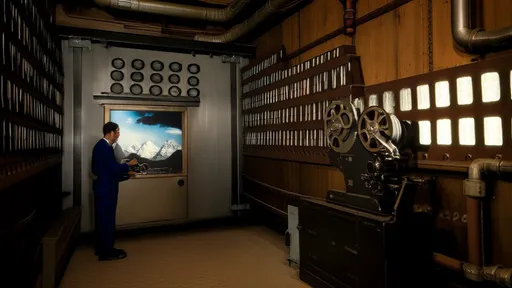
In the remote highlands of Norway, an ambitious project is quietly rewriting the rules of cultural preservation. The Arctic World Archive, a subterranean vault carved into a frozen mountainside, has become the unlikely guardian of humanity's cinematic heritage. Here, reels of film containing classic movies, documentaries, and newsreels sleep in the perpetual cold, protected against the ravages of time and potential global catastrophes.
The quiet hum of an elderly woman singing a lullaby in a vanishing dialect echoes through the recording studio. Her voice, weathered by time yet rich with cultural memory, is being preserved in a digital vault—part of an ambitious global initiative known as the Language Capsule Project. This endeavor, often referred to as the "Recording Cellar for Endangered Dialects," seeks to document and safeguard linguistic diversity before it disappears into the silence of history.